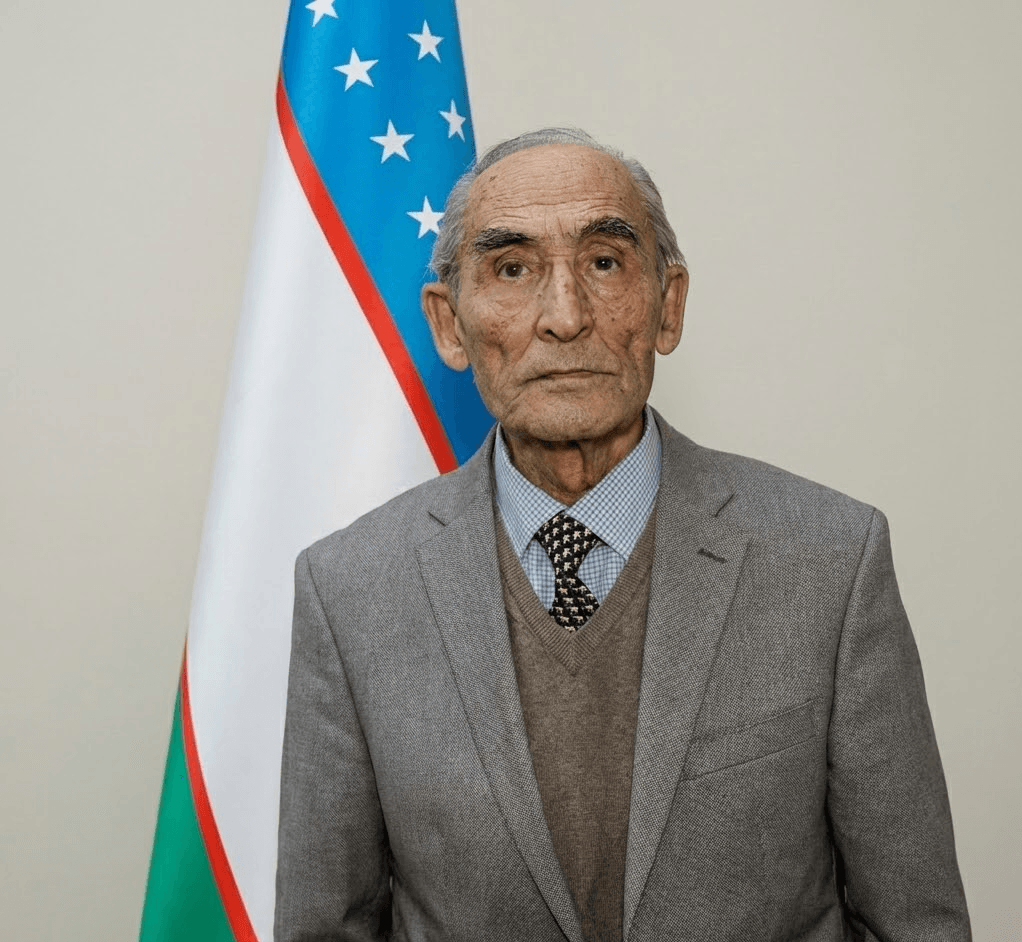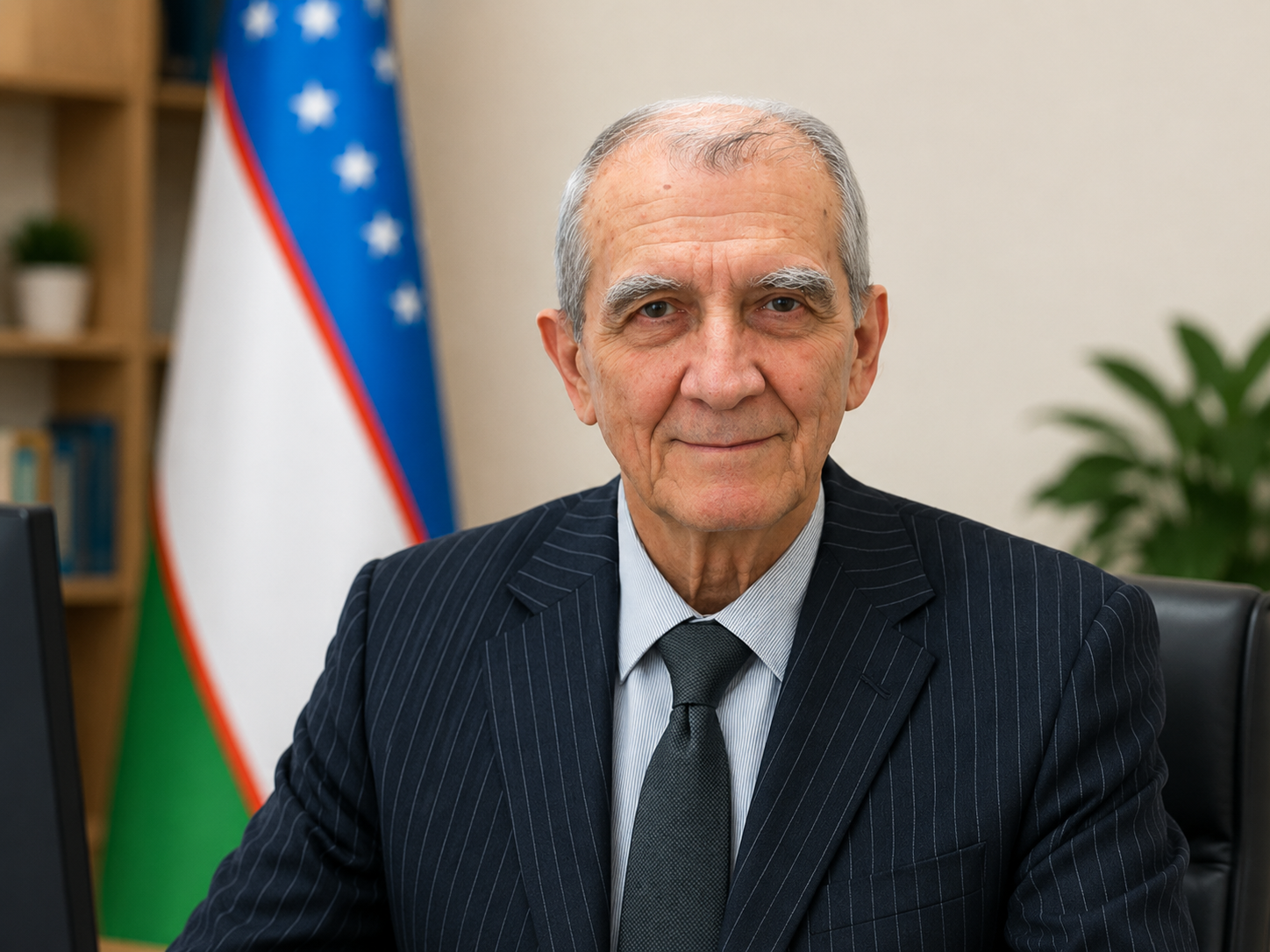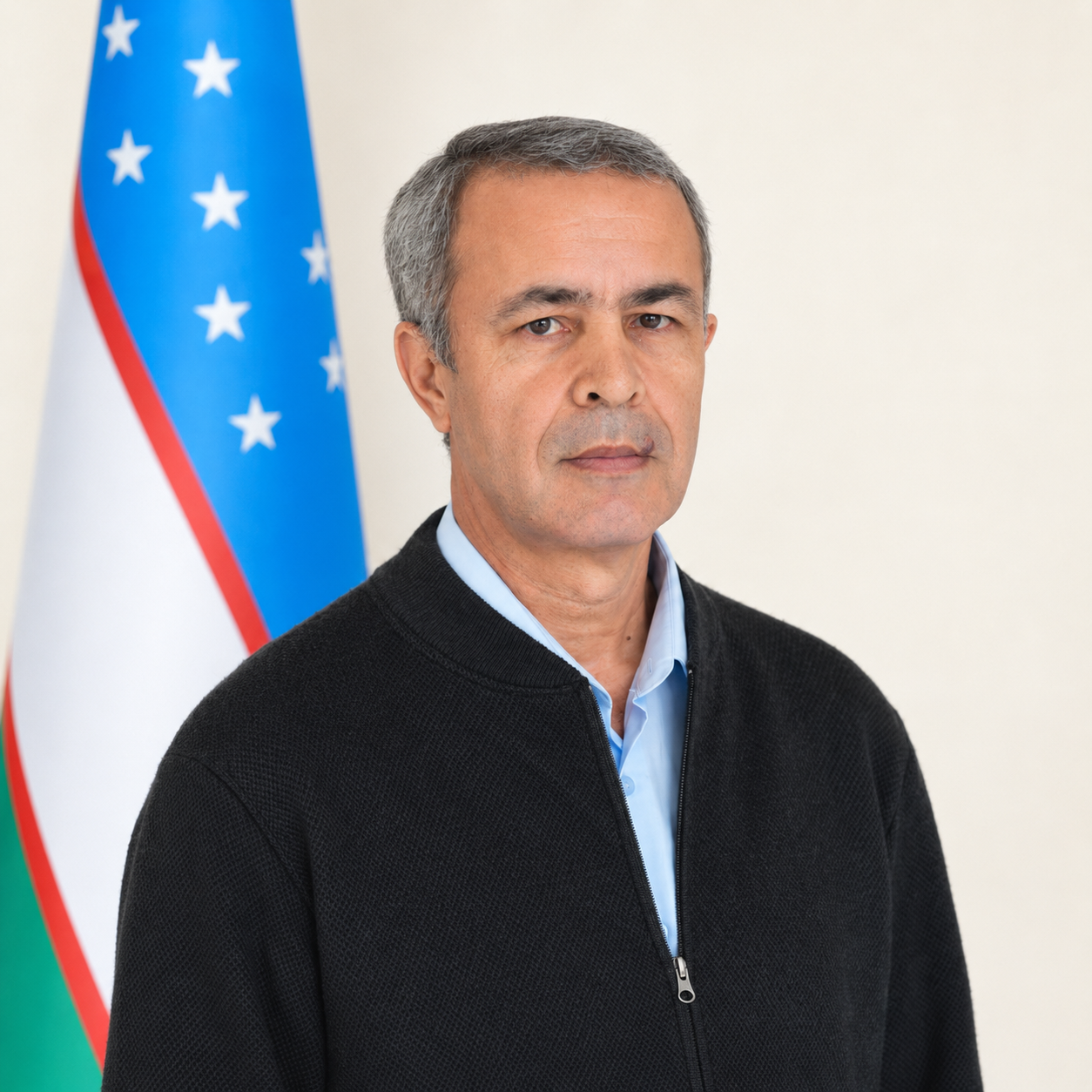
Radjabov Sobirjon Sattorovich
Doctor of Technical Sciences, senior researcher.
Since 2022, head of the Artificial Intelligence and Information Technologies Laboratory at the Institute of Fundamental and Applied Research.
About the teacher in detail
Doctor of Technical Sciences (2022), senior researcher. He graduated from Namangan State University in 1998. He was a postgraduate student at the Institute of Cybernetics of the Academy of Sciences of Uzbekistan (2001–2004), junior researcher at the Institute of Informatics (2004–2008), senior researcher at the Institute of Mathematics and Information Technologies (2008–2012), senior researcher at the Center for Development of Software Products and Hardware-Software Complexes under TUIT (2012–2017), doctoral researcher at the Scientific-Innovation Center of Information and Communication Technologies under TUIT (2017–2019), senior researcher and laboratory head there (2020–2021), and laboratory head at the Research Institute for the Development of Digital Technologies and Artificial Intelligence (2021–2022). Since 2022 he has headed the “Artificial Intelligence and Information Technologies” Laboratory at the Institute of Fundamental and Applied Research under the National Research University “Tashkent Institute of Irrigation and Agricultural Mechanization Engineers”. S. S. Radjabov developed algorithms for recognizing objects represented in spaces of different feature types and applied them to practical problems, including artificial-intelligence tasks. His biometric research produced personal-identification algorithms using face images, ear images, signatures, and voice signals. He developed recognition algorithms based on evaluation of feature interrelationships, radial functions, and threshold functions, together with corresponding models. He is the author or co-author of more than 150 scientific and methodological works, including 6 monographs, 1 study guide, and more than 20 software certificates. He trained 2 PhD researchers and teaches subjects including information technologies, machine learning, deep learning, programming, and digital image processing.