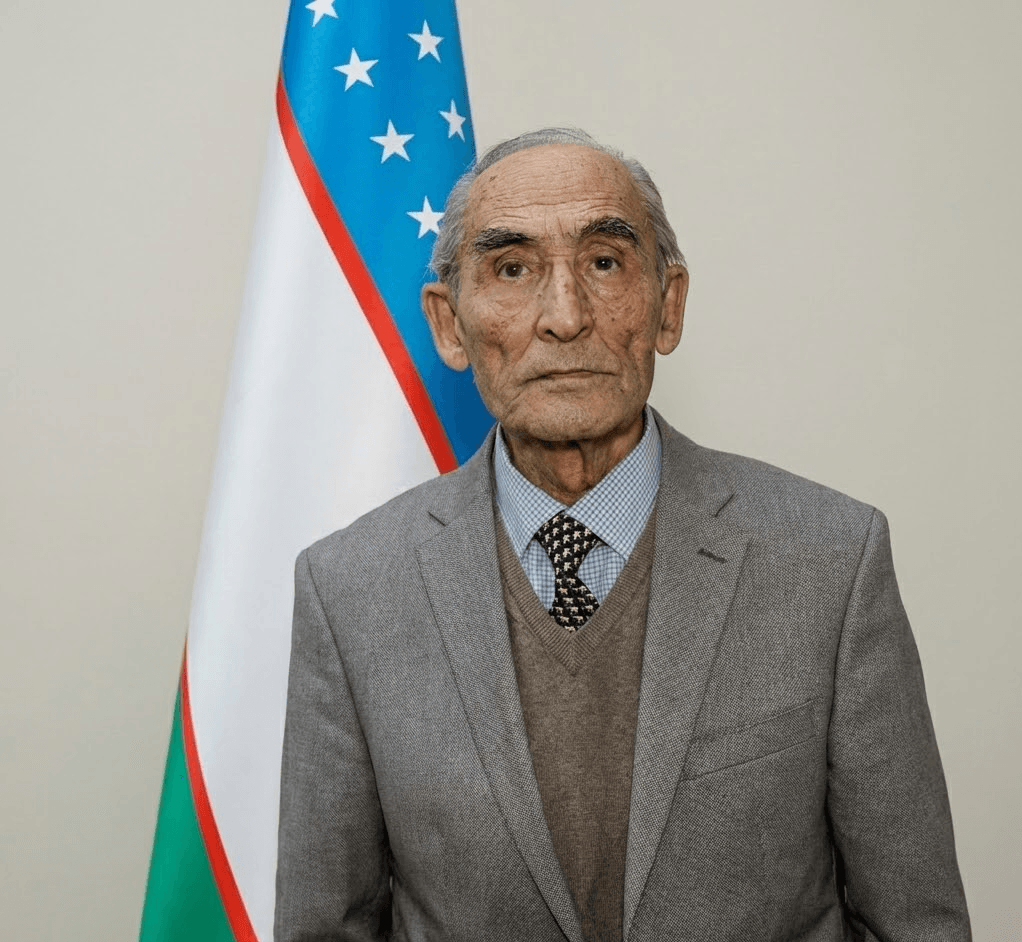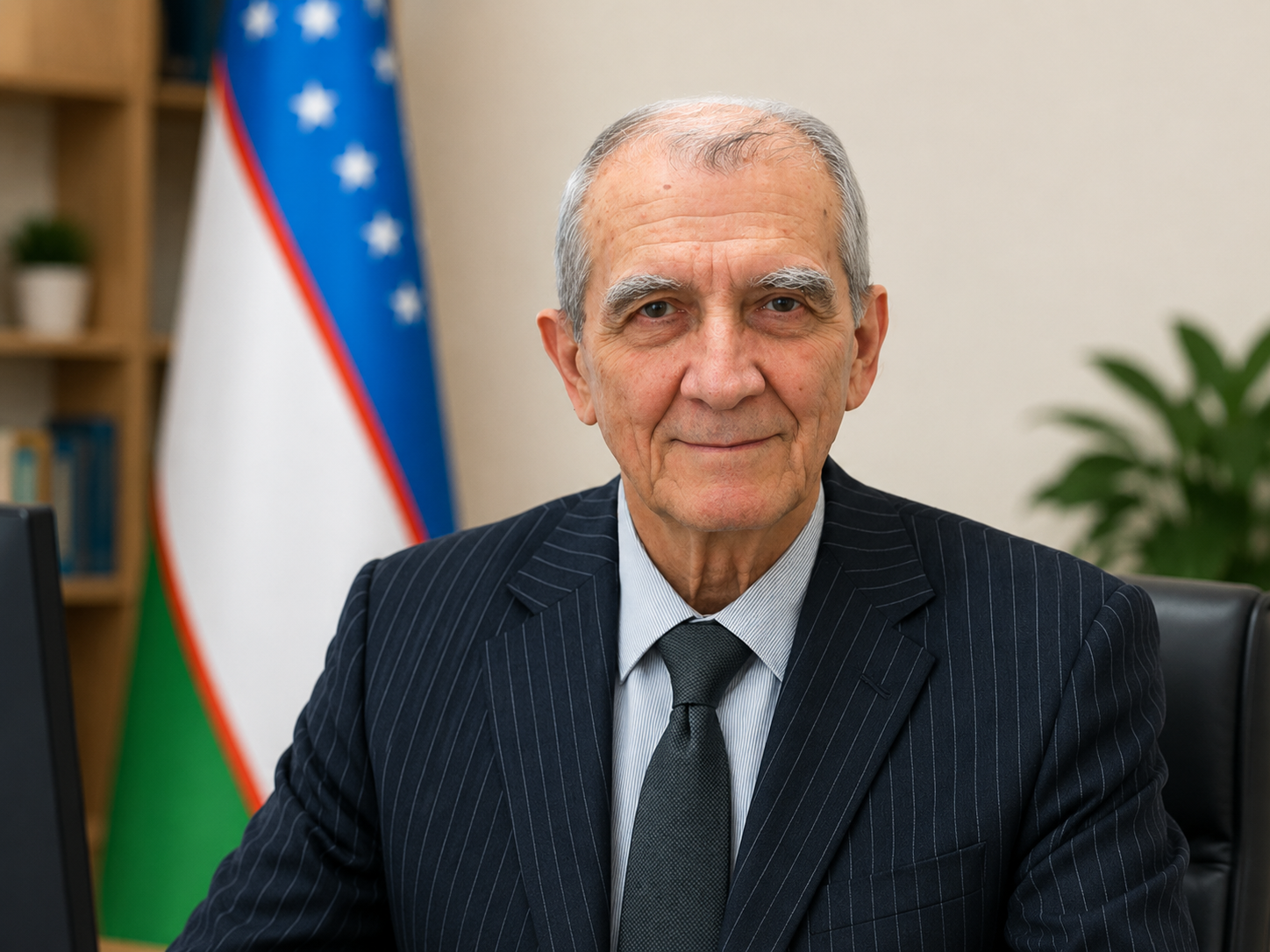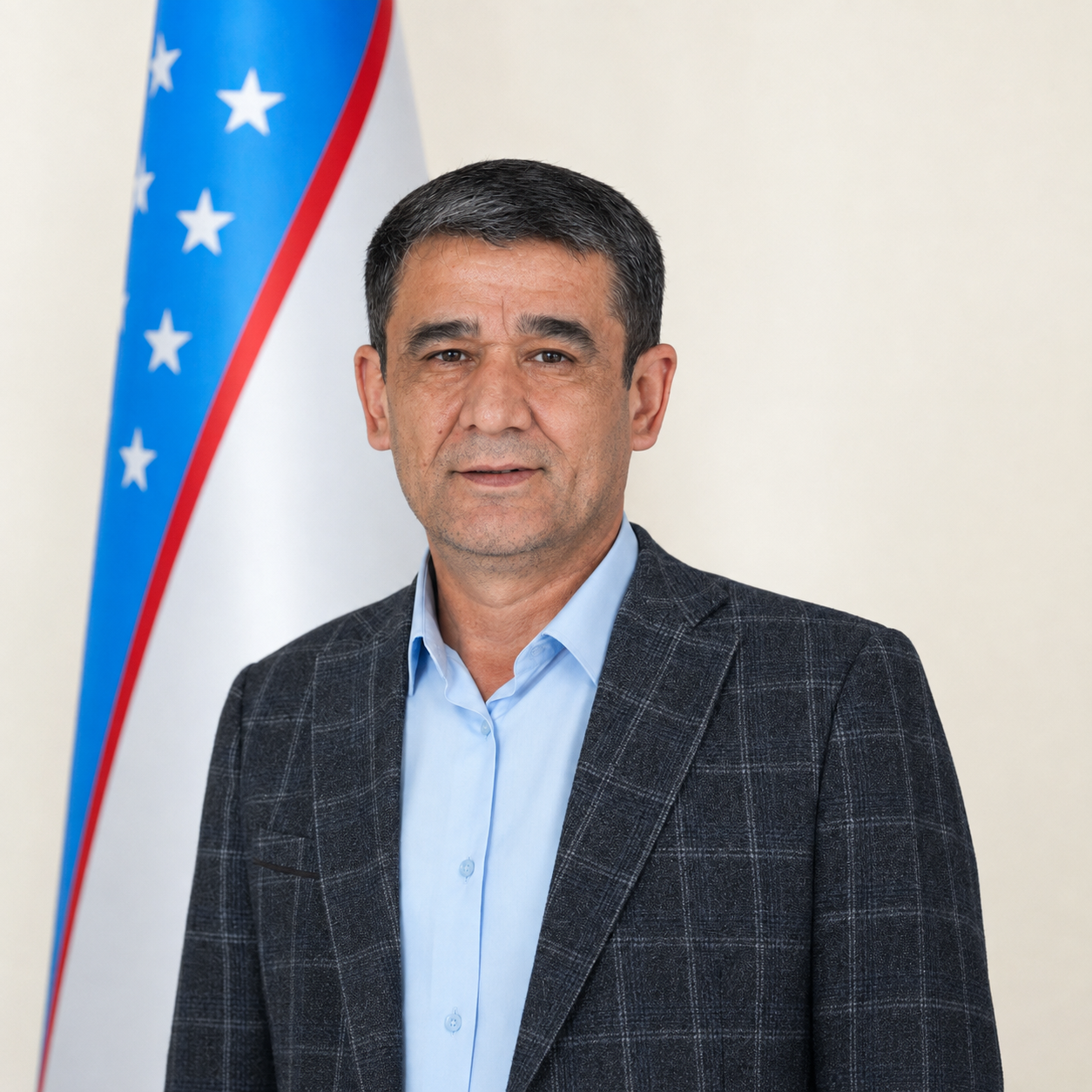
Mamatov Narzillo Solijonovich
Doctor of Technical Sciences, professor.
Since 2022, head of the Digital Technologies and Artificial Intelligence Department at the National Research University “Tashkent Institute of Irrigation and Agricultural Mechanization Engineers”.
About the teacher in detail
Doctor of Technical Sciences (2018), professor. He graduated from Namangan State University in 2002. From 2002 to 2005 he was a senior lecturer at the Institute for Advanced Training and Retraining of Personnel in the Secondary Specialized Vocational Education System. From 2005 to 2012 he was a postgraduate student and senior researcher at the Institute of Informatics of the Academy of Sciences of Uzbekistan. In 2012 he worked as a senior researcher at the Center for Development of Software Products and Hardware-Software Complexes under TUIT; from 2012 to 2014 as a senior researcher at the Institute of Mechanics and Seismic Stability of Structures; from 2014 to 2021 as a senior and leading researcher at the TUIT software and hardware-software development center; and from 2021 to 2022 as a laboratory head at the Research Institute for the Development of Digital Technologies and Artificial Intelligence. Since 2022 he has been head of the “Digital Technologies and Artificial Intelligence” Department at the National Research University “Tashkent Institute of Irrigation and Agricultural Mechanization Engineers”. N. S. Mamatov’s research is associated with developing pattern-recognition theory and artificial-intelligence technologies for studying objects, phenomena, and processes that cannot be rigorously described mathematically, and with creating applied systems. He established a scientific-practical direction for separating informative and non-informative features and for preliminary data processing. He developed effective methods and algorithms for processing data represented by different types of features and was among the first to propose a new approach to linear-fractional optimization. N. S. Mamatov is the author of more than 300 scientific works, including 4 monographs, 2 study guides, and more than 50 certificates for computer programs. He trained 9 Candidates of Science and supervises the preparation of 2 DSc and 3 PhD doctoral researchers.